Herbs exhibition
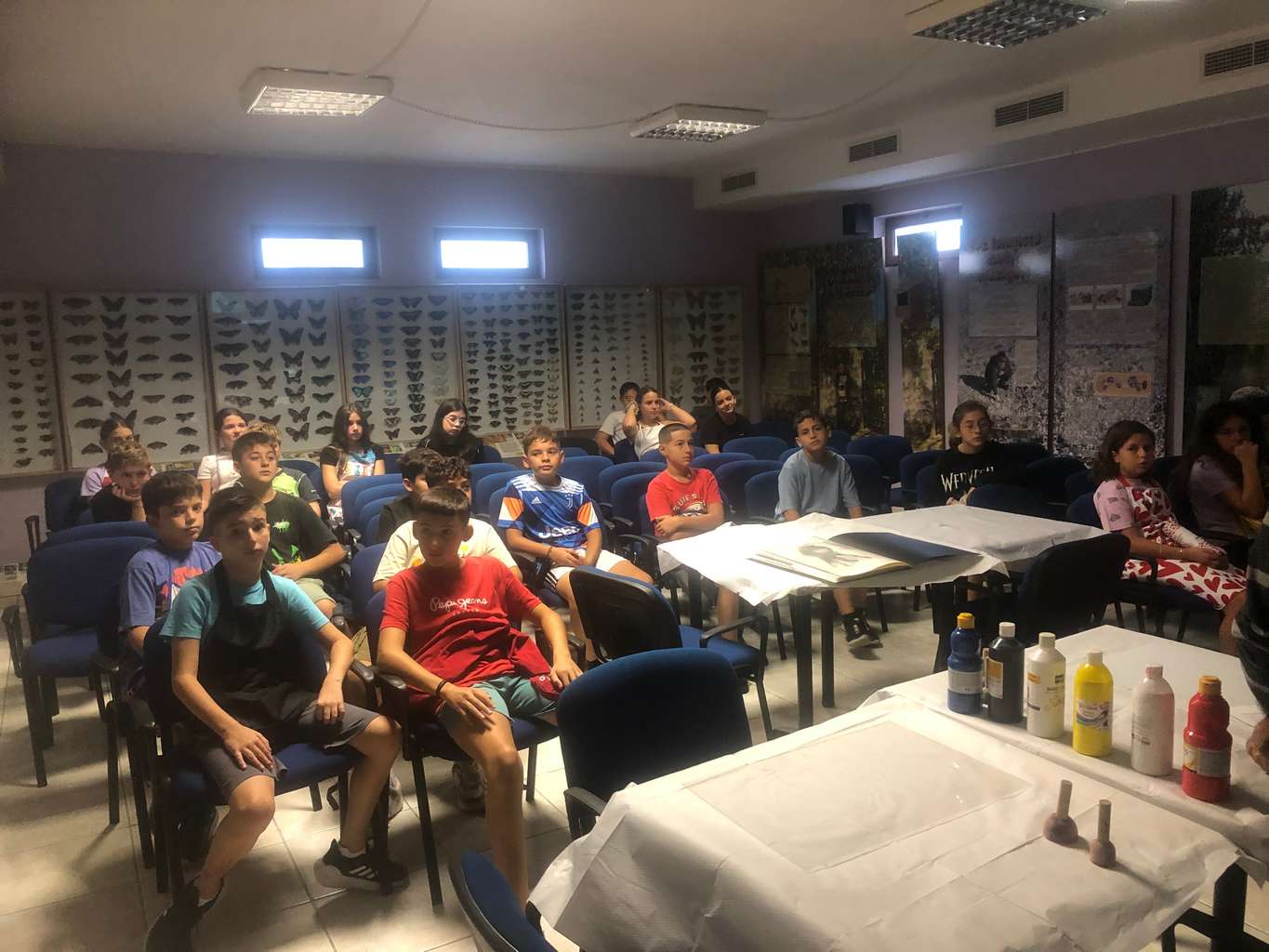
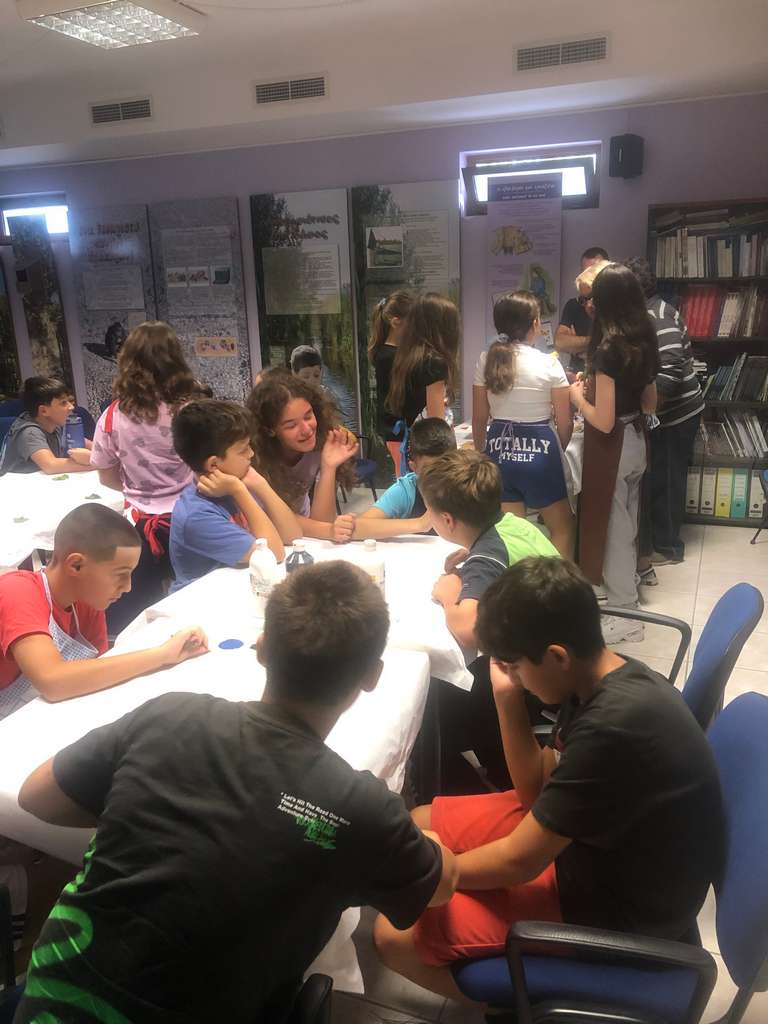
In a particularly enthusiastic and intensely interesting atmosphere, the educational painting and engraving art programs of the Natural History Museum of Helmis were held from 11-18/10/24.
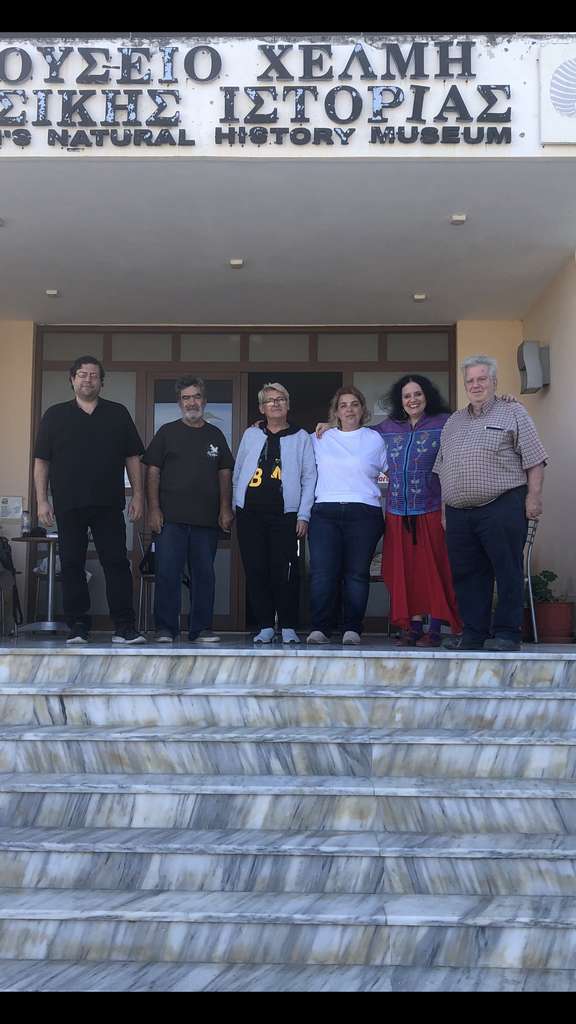
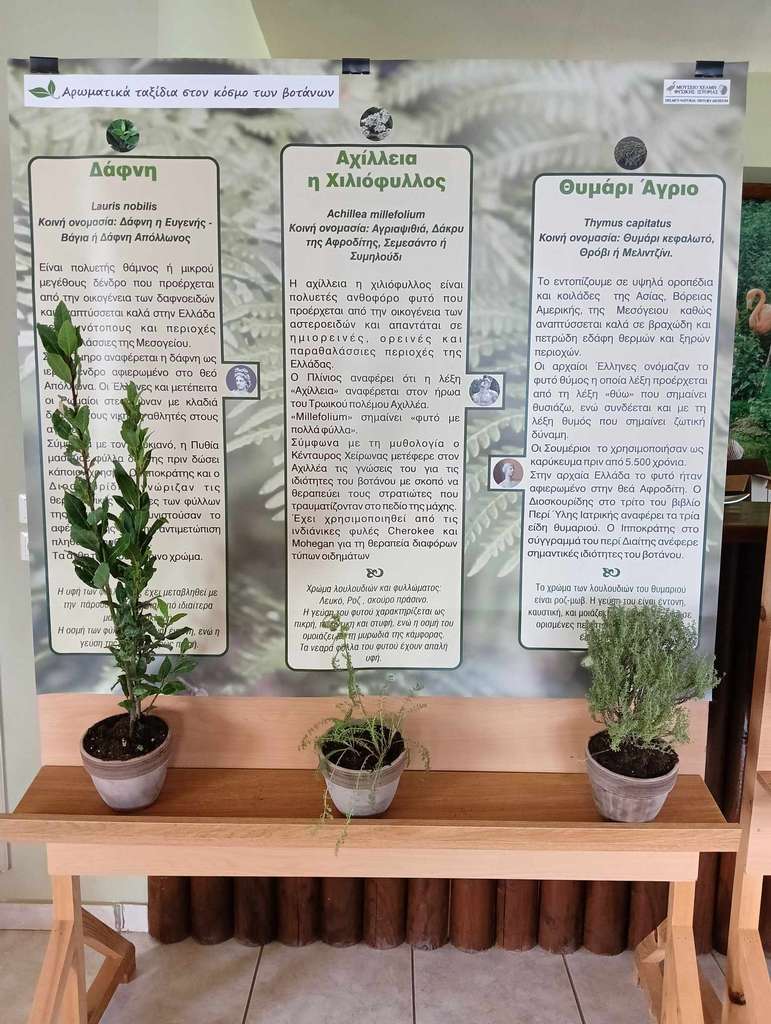
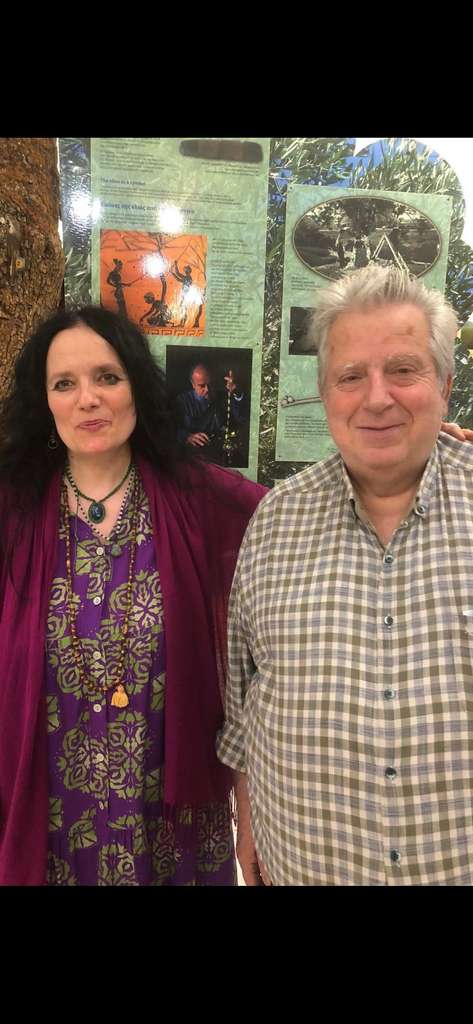
In particular, in connection with the exhibition of Greek native herbs "Aromatic journeys through time: exploring the world of herbs" which was offered as an educational tool for informing adults and minors (primary school students from 14 schools in Zakynthos), more than 550 people had the opportunity to participate, to talk with the working group and the Founder of the Natural History Museum P. Helmis, to learn about the therapeutic and beneficial effects of herbs on human health, through a magical journey of storytelling, folklore, crafts and interaction.
It is noted that the herb exhibition curated by both Museologist Konstantinos Stoupathis, President of the Friends of the Greek Museum of Herbs, and Kykkeon Eleusis (Yiannis Papadimitriou and D. Katsalas) contributed through its design and museological care to the lifting of social exclusion. This museum action was formulated against a misunderstood museum prejudice that “in a museum, visitors are prohibited from touching objects” in order to interpret them: thus, every visitor (with or without barriers or obstacles to mobility, differences in mental perception or physical disabilities of partial or total deafness or vision) had the opportunity to smell, taste, and perceive aromatic plants and herbs in alternative ways.
This belief that herbs can be perceived by the viewer in multiple and captivating ways arose from the need for young people to get to know local crops. The aim of the programs was for young people to acquire a special relationship with known or unknown varieties of plants such as basil, marjoram, lavender, thyme, which are found in the island and mainland regions of Greece, in the mountains or in inaccessible geographical areas. In this case, the Museum approached the local community by making the herbs accessible to visitors and sparking their creative contact.
As a result, the students had the opportunity to be educated on the cultivation needs, the importance of these plants in the Mediterranean diet and to learn in a creative way which herbs are suitable for healing, eating, aromatherapy and art. Similarly, many minors and adults who participated in the programs listened to and expressed impressions about Greek customs, shared stories of personal, family or social testimonies of the Zakynthian community about the use of herbs by members of their family. For the MFIH, the impact of the educational activities was intense, transmitting the basic principles of biodiversity, ecological awareness and teamwork. By cultivating, through a series of incentives, the belief that the student's contact will improve the quality of life in the family, at school or on the island more broadly, but will also promote his personal appeal to the arts. For this reason, the MFICH had the honor of carrying out two actions within the framework of the "Creative Greece, 2024" program for primary, special schools and creative employment centers with the funding of the Ministry of Culture.
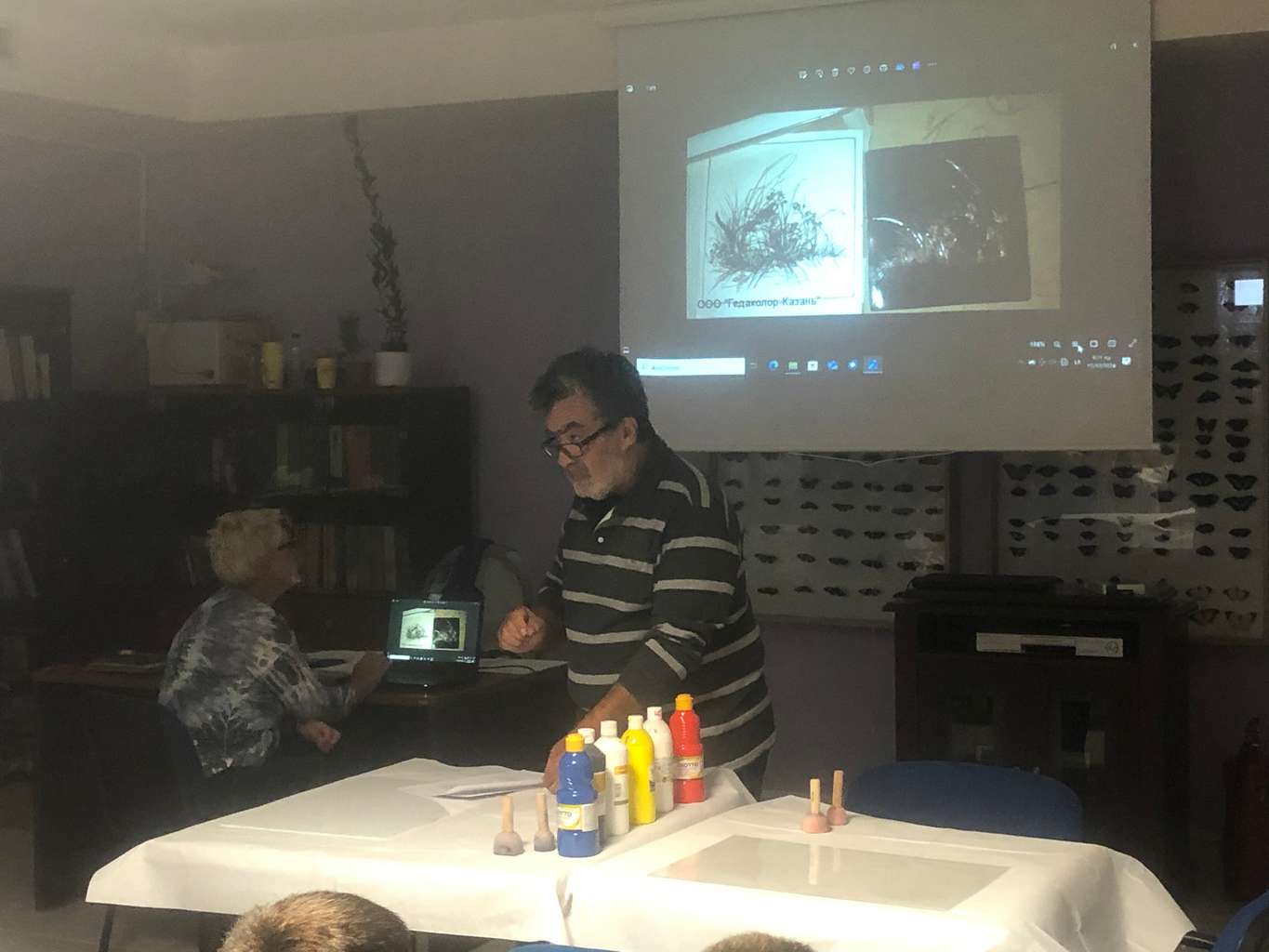
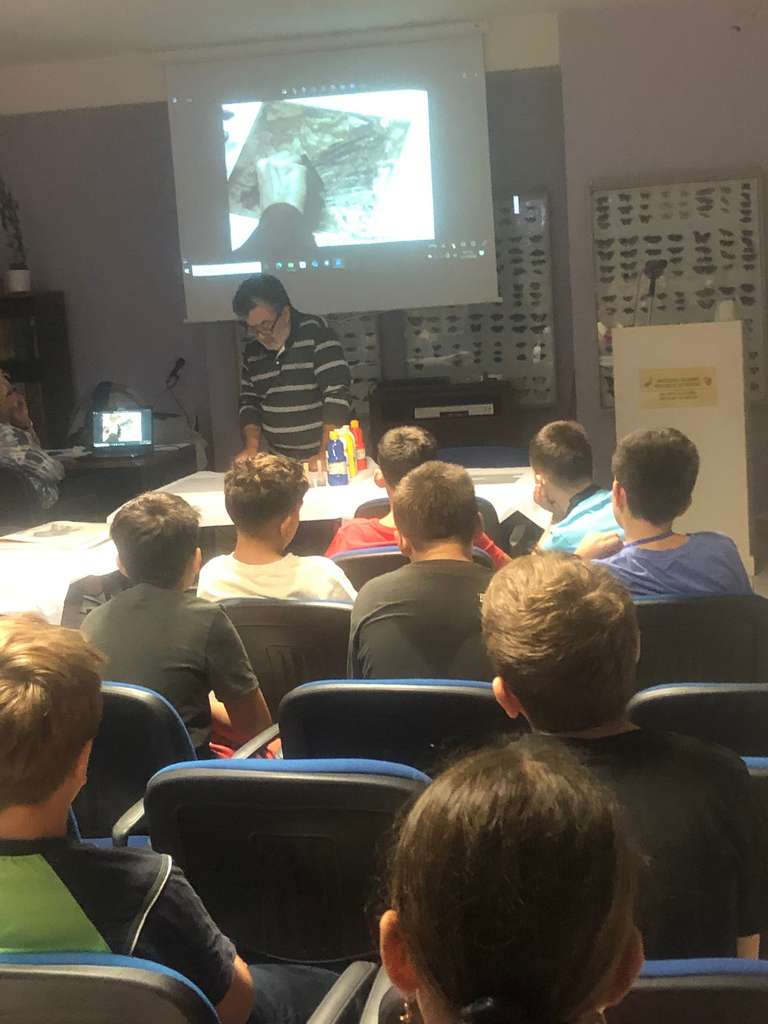
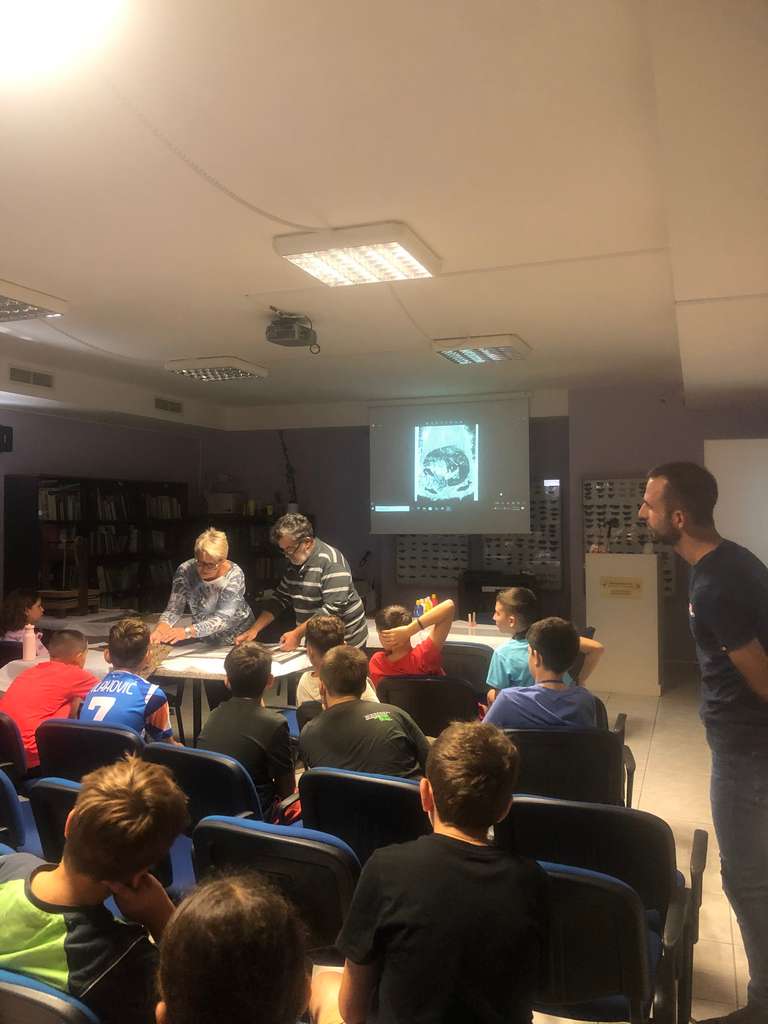
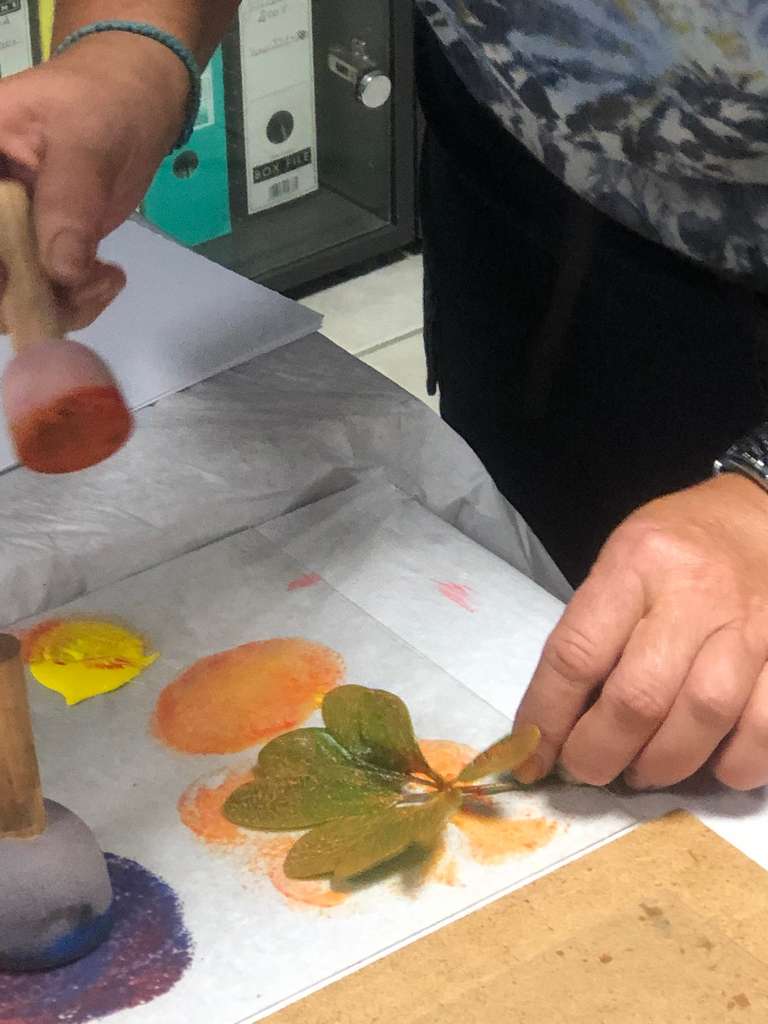
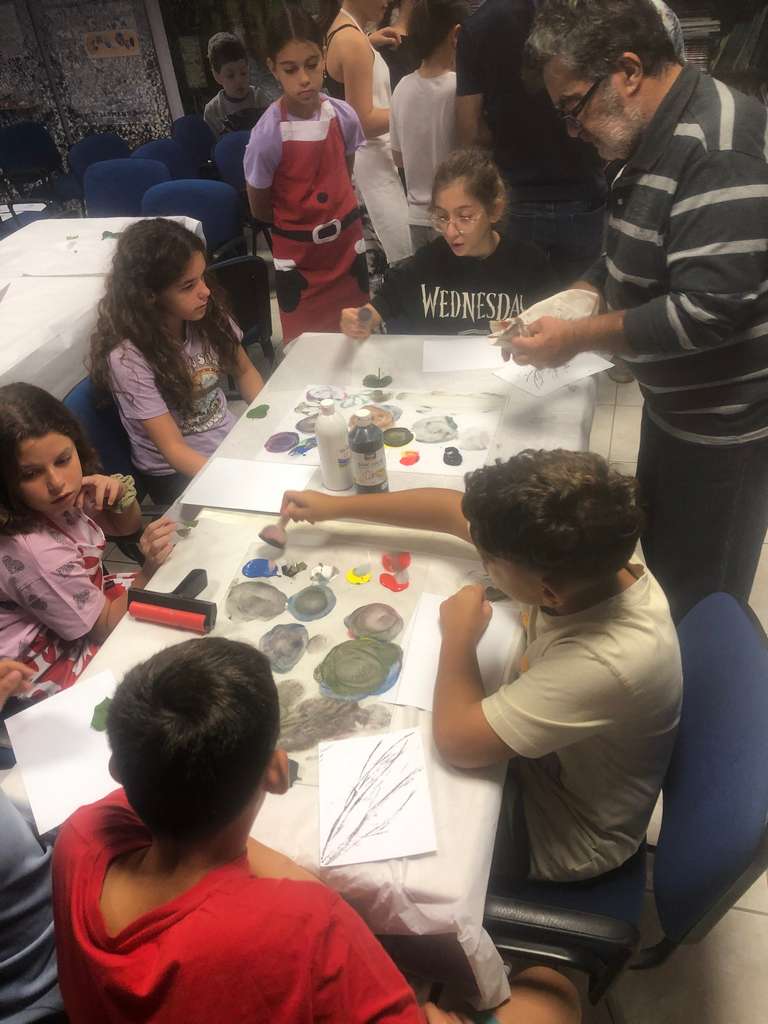
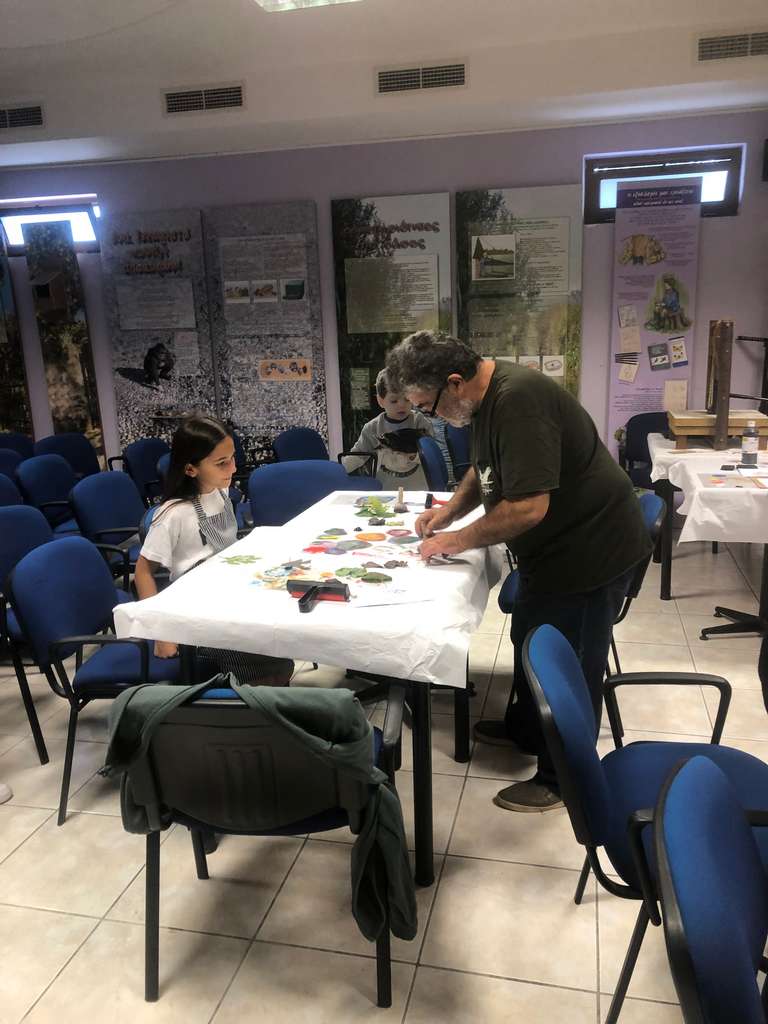
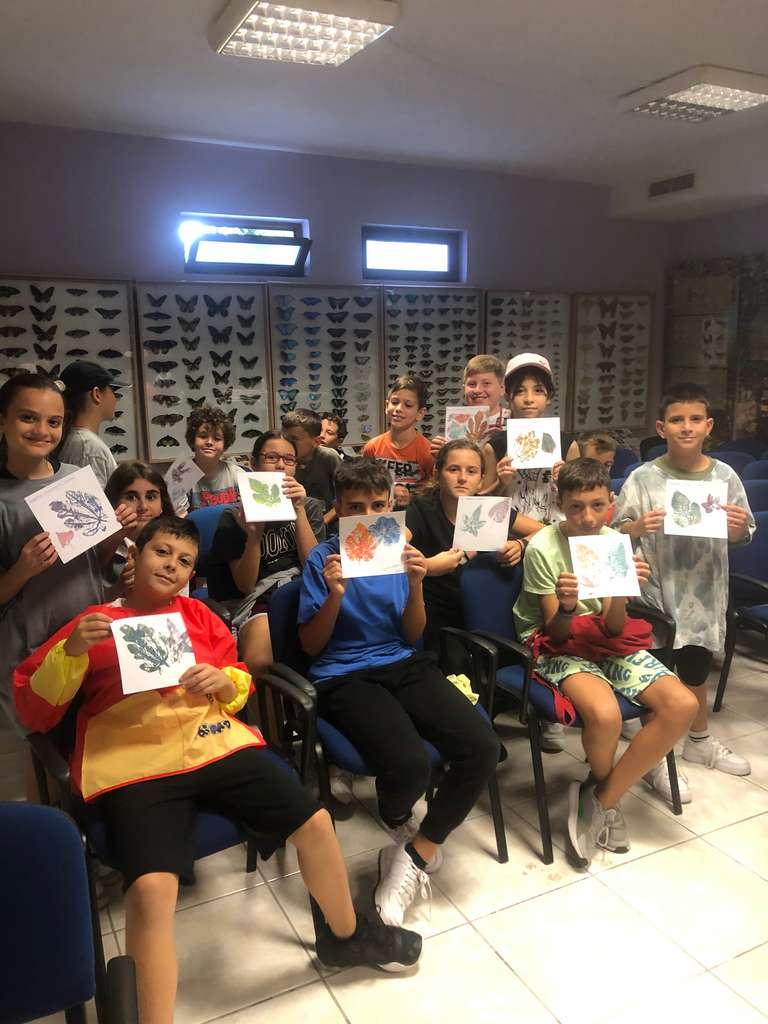
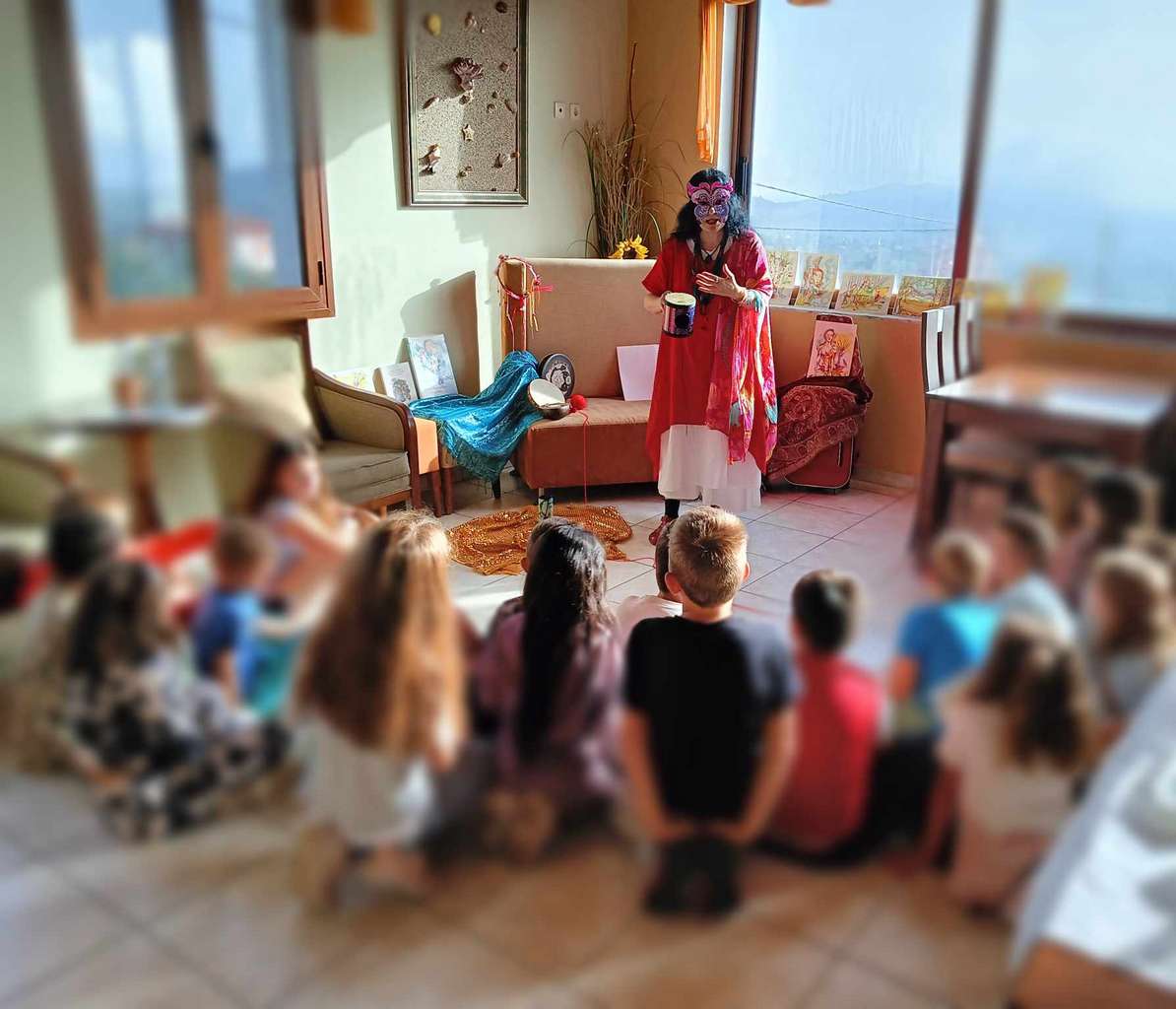
The fact that 2 educational programs (based on the active participation of the children) were implemented simultaneously with the exhibition contributed to their fruitful expression, fermentation and engagement with the benefits of planting, painting and engraving art. In particular, under the contribution of educators Stathis Androutsakis, Elena Garstea and Zois Nikitakis, listening to ancient myths about the importance of herbs in mythology or talking about Dioscorides or Hippocrates under the sounds of music, the students expressed their personal, artistic concerns. The first activity included a storytelling with a painting workshop on ceramic pots decorated with watercolors, while the second was an engraving workshop, with the demonstration of multiple techniques for printing herb samples, resulting in the creation of engravings. The activities were attended by students from the Primary Schools of Riza, Dermatousa, Karampineio, Ammos School, etc., as well as adult visitors.
It is noted that the removal of social exclusion has been a concern of the MFIH in recent years. The Museum's exhibition and educational policy is based on the presentation of innovative proposals not only in the interests of the general public but also of people with visual impairments or deafness, etc. This shift in exhibition policy led educators such as Z. Nikitaki to apply the benefits of visual color therapy to students, to make narratives and references to species and varieties of plants (which are familiar to the local community but remain unknown at the same time). Thus, the Museum's contact with special groups of visitors, disabled members of the ODAZ, adults who were creatively employed and received educational supplies in order to utilize the contents of the educational programs and the exhibition in their professional rehabilitation was particularly constructive and fruitful. In the workshops implemented by S. Androutsakis and E. Garstea, engravings were produced that resembled works by graduates of the Athens School of Fine Arts. In fact, the MFIH is going to post the students' works on its website.
Leaving the best impressions, every young and old visitor left the museum with their own work of art, an aromatic plant and a museum souvenir. The MFIH's book of impressions was filled with pages of enthusiasm, carelessness and creativity with statements about both the success of the actions, the organizational coordination and the promise of returning to the museum. The herb exhibition will last until the end of the month, with the possibility of extension due to the large and free attendance.